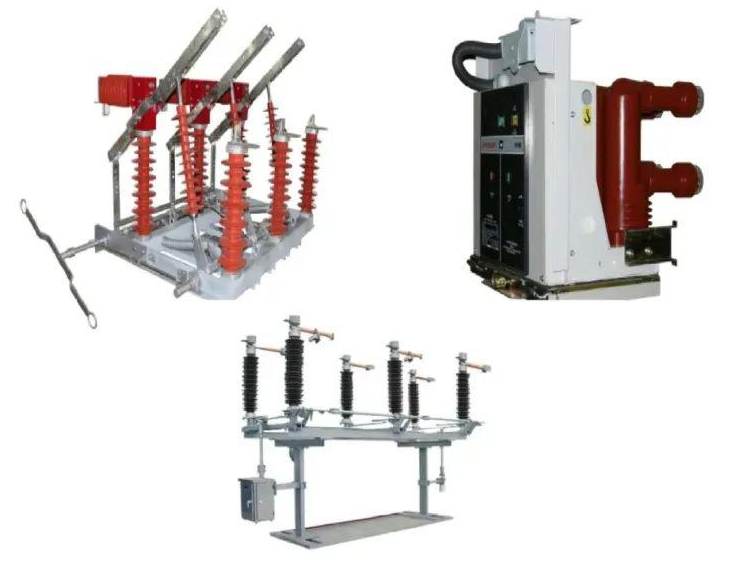
The Differences and Applications of Circuit Breakers, Load Switches and Disconnectors
Circuit breakers, load switches, and disconnectors are all essential components in electrical systems, and while most electrical personnel are familiar with these terms, there may be some confusion regarding their differences and applications. For electrical beginners, the distinctions between these devices can be particularly daunting.
A circuit breaker is designed to close, carry, and break the current under both normal and abnormal circuit conditions, including short-circuit conditions, within a specified time frame. It is a crucial safety device that protects electrical circuits from damage due to overload or short circuits.
A load switch, on the other hand, sits between the circuit breaker and the isolating switch. It features a simple arc extinguishing device that allows it to cut off rated load currents and certain overload currents. However, it cannot interrupt short-circuit currents. Load switches are often used in situations where frequent switching of loads is required, such as in distribution systems or motor control circuits.
An isolating switch, also known as a disconnector, is used to disconnect the circuit under no-load conditions. Its main purpose is to provide a visible disconnection point between the maintenance equipment and the power supply, ensuring the personal safety of maintenance personnel. Since isolating switches lack specialized arc-extinguishing devices, they cannot be used to interrupt load or short-circuit currents. Therefore, they must only be operated when the circuit breaker has already disconnected the circuit.
So, what are the key differences between these three devices? Circuit breakers are designed to protect circuits from overload and short circuits, load switches are used for frequent switching of loads, and isolating switches provide a safe disconnection point for maintenance purposes.
Regarding their applications, circuit breakers are typically installed in the main distribution panel or sub-panels to protect individual circuits. Load switches may be found in distribution systems, motor control circuits, or other applications where frequent load switching is required. Isolating switches are often used in switchgear, substations, or other locations where maintenance personnel need to work on electrical equipment under no-load conditions.
In conclusion, understanding the differences between circuit breakers, load switches, and isolating switches is crucial for electrical personnel. By familiarizing yourself with their unique characteristics and applications, you can ensure the safe and efficient operation of your electrical systems.
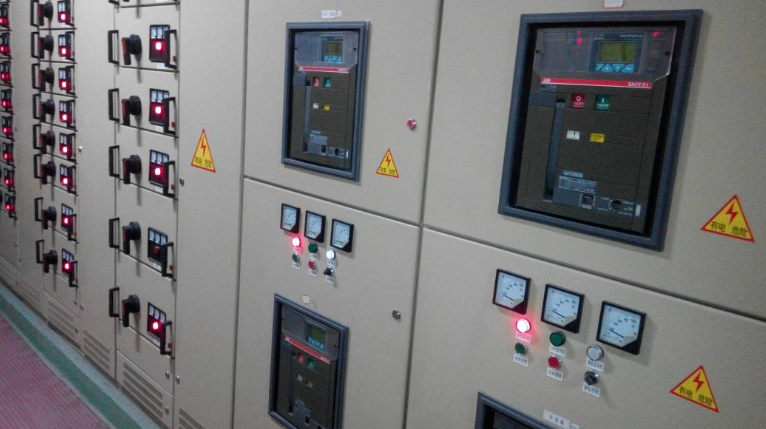
▶ 01 Explanation of terms of load switch, disconnector and circuit breaker
Load Switch:
Function: Can close and cut off various currents under normal working conditions, such as load current, excitation current, charging current, and capacitor bank current.
Application: Can be used alone in circuits that require obvious disconnection points due to specification requirements.
Operating Condition: Can be operated under load, meaning it can be switched on and off while energized.
Isolating Switch (Disconnector):
Function: Provides an insulation distance between contacts when in the divided position and an obvious disconnection mark. When closed, it can carry current under normal and abnormal circuit conditions (such as short circuits), but it is not designed to interrupt fault currents.
Application: Often used in conjunction with circuit breakers to ensure there is an obvious disconnection point in the circuit.
Operating Condition: Cannot be operated under load; it can only be opened and closed when the circuit is not powered on.
Circuit Breaker:
Function: Can close, carry, and break current under normal and abnormal circuit conditions (including short-circuit conditions) within a specified time. It is designed to protect circuits from damage due to overload or short circuits.
Application: Typically used in the main distribution panel or sub-panels to protect individual circuits. Often used in conjunction with isolating switches.
Operating Condition: Can operate under both normal and abnormal circuit conditions.
In summary, the load switch, isolating switch, and circuit breaker each have unique functions and applications. The load switch is designed for load switching, the isolating switch provides a safe disconnection point, and the circuit breaker protects circuits from damage. Understanding these differences is crucial for ensuring the safe and efficient operation of electrical systems.
▶ 02 Type introduction of load switch, disconnector and circuit breaker
Load switches, isolating switches and circuit breakers are divided into high and low voltage;
1. For the load switch:
There are six main types of high voltage load switches:
① Solid gas-generating high-voltage load switch: use the energy of the breaking arc itself to make the gas-generating material in the arc chamber generate gas to blow out the arc. Its structure is relatively simple, and it is suitable for products of 35 kV and below. the
②Pneumatic high-voltage load switch: use the compressed gas of the piston to blow out the arc during the breaking process, and its structure is relatively simple, suitable for products of 35 kV and below. the
③ Compressed air type high-voltage load switch: use compressed air to blow out the arc, and can break a large current. Its structure is relatively complicated, and it is suitable for products of 60 kV and above. ④SF6 high-voltage load switch: SF6 gas is used to extinguish the arc, and its breaking current is large, and the performance of breaking capacitive current is good, but the structure is relatively complicated, and it is suitable for products of 35 kV and above. the
⑤ Oil-immersed high-voltage load switch: Use the energy of the arc itself to decompose and gasify the oil around the arc and cool it to extinguish the arc. Its structure is relatively simple, but it is heavy, and it is suitable for outdoor products of 35 kV and below. the
⑥ Vacuum-type high-voltage load switch: use vacuum medium to extinguish the arc, have long electrical life and relatively high price, and are suitable for products of 220 kV and below.
The low-voltage load switch is also called the switch fuse group. It is suitable for switching on and off the loaded circuit manually infrequently in the AC power frequency circuit; it can also be used for overload and short circuit protection of the line. The circuit breaker is completed by the contact blade, and the overload and short circuit protection is completed by the fuse.
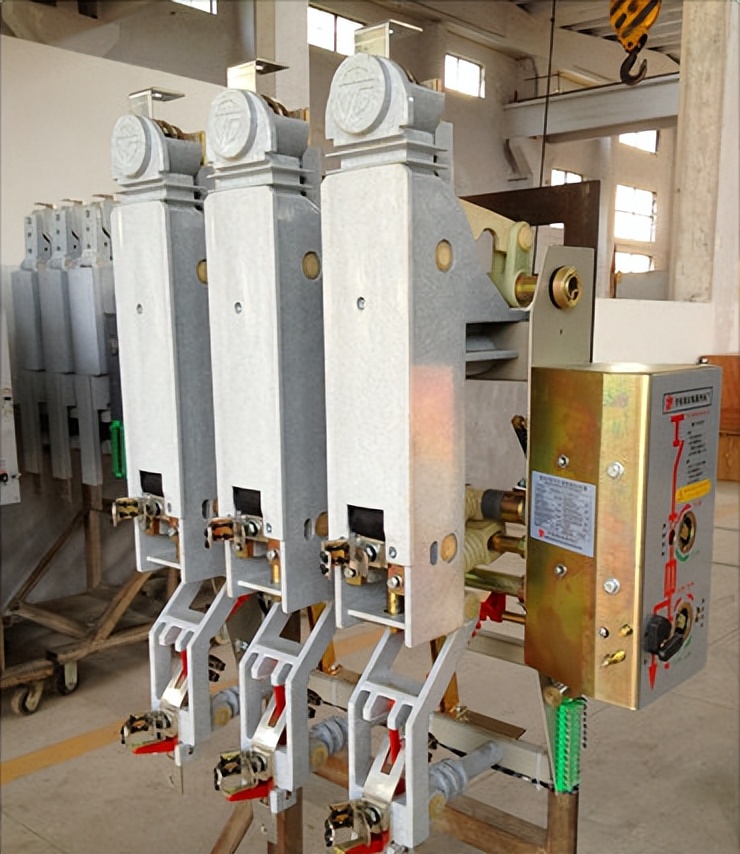
2. For isolating switches
According to the different installation methods, high-voltage isolating switches can be divided into outdoor high-voltage isolating switches and indoor high-voltage isolating switches. Outdoor high-voltage isolating switch refers to a high-voltage isolating switch that can withstand the effects of wind, rain, snow, pollution, condensation, ice and thick frost, and is suitable for installation on the terrace. According to the structure of its insulating pillars, it can be divided into single-column disconnectors, double-column disconnectors, and three-column disconnectors.
Among them, the single-column knife switch directly uses the vertical space as the electrical insulation of the fracture under the overhead busbar. Therefore, it has the obvious advantages of saving the occupied area, reducing the leading wires, and at the same time the opening and closing status is particularly clear. In the case of ultra-high voltage transmission, the effect of saving the floor area is more significant after the substation adopts the single-column knife switch.
In low-voltage equipment, it is mainly suitable for low-voltage terminal power distribution systems such as residential houses and buildings. Main functions: breaking and connecting lines with load
It should be noted here that in the low-voltage terminal power distribution, the isolation switch can be segmented with load! In other cases, and under high pressure, it is not allowed!
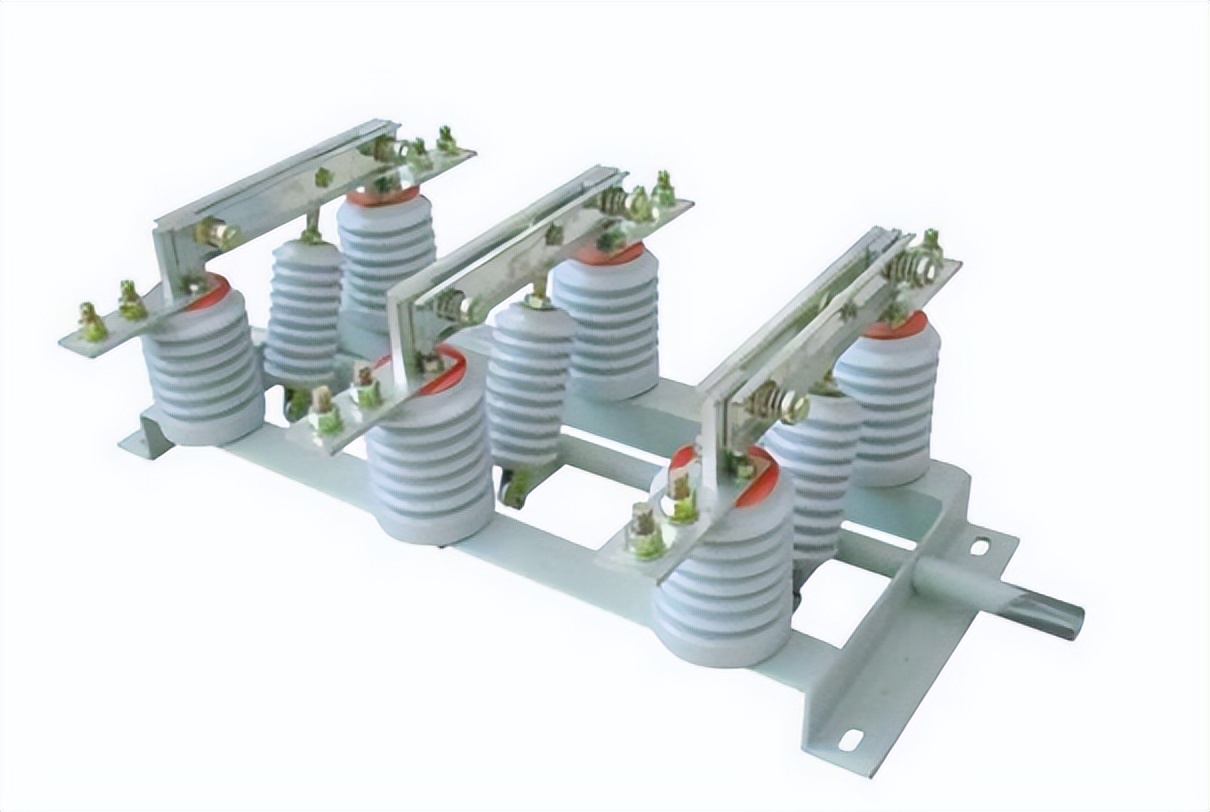
3. For circuit breakers
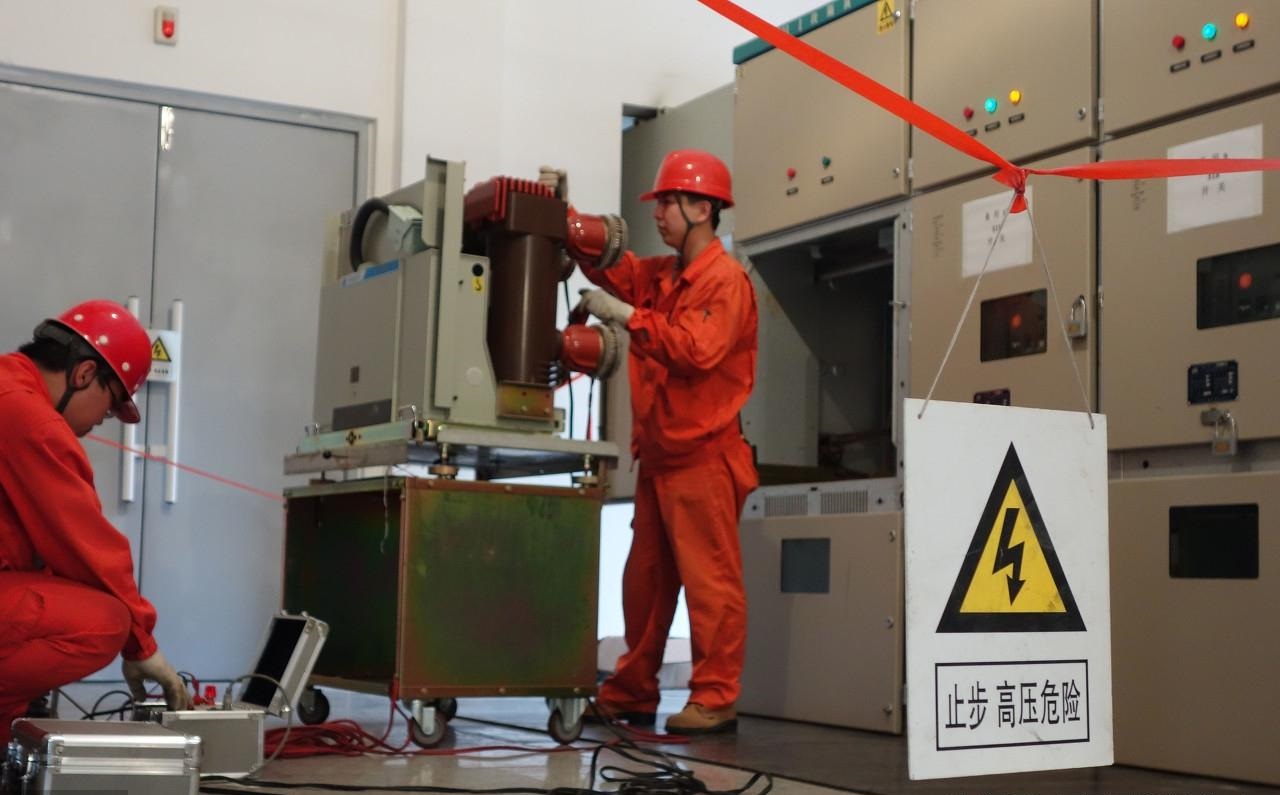
High-voltage circuit breakers are the main power control equipment in power plants, substations, and power distribution rooms. ; When the system fails, it cooperates with the relay protection to quickly cut off the fault current to prevent the expansion of the scope of the accident.
Therefore, the quality of the high-voltage circuit breaker directly affects the safe operation of the power system; there are many types of high-voltage circuit breakers, which can be divided into oil circuit breakers (more oil circuit breakers, less oil circuit breakers) according to their arc extinguishing. , Sulfur hexafluoride circuit breaker (SF6 circuit breaker), vacuum circuit breaker, compressed air circuit breaker, etc.
The low-voltage circuit breaker is also called an automatic switch, commonly known as "air switch", which also refers to a low-voltage circuit breaker. It can be used to distribute electric energy, start asynchronous motors infrequently, protect power lines and motors, etc., and can automatically cut off the circuit when they are seriously overloaded or short-circuited or under-voltage. Its function is equivalent to that of a fuse switch and A combination of overheating and underheating relays, etc. Moreover, it is generally not necessary to change parts after breaking the fault current, and has been widely used.
▶ 03 The difference between load switch, disconnector and circuit breaker
1. The load switch can be broken with load and has the function of self-extinguishing arc, but its breaking capacity is very small and limited. the
2. Generally, the isolating switch cannot be broken with load. There is no arc extinguisher in the structure, and there are also isolating switches that can break the load, but the structure is different from the load switch, which is relatively simple. the
3. Both the load switch and the isolating switch can form an obvious disconnection point. Most circuit breakers do not have the isolation function, and a few circuit breakers have the isolation function. the
4. The isolating switch does not have a protection function. The protection of the load switch is generally protected by a fuse, only quick break and overcurrent.
5. The breaking capacity of the circuit breaker can be made very high in the manufacturing process. It mainly relies on adding current transformers to cooperate with secondary equipment for protection. It can have short circuit protection, overload protection, leakage protection and other functions.