


Smart Sensors in Electrical Automation: How They Power Smarter Industries
The Role of Sensors in Electrical Automation: Applications and Schneider Electric Products
In the field of modern industrial automation, sensors act as the "eyes" and "ears" of control systems. They are essential components that convert physical parameters—such as temperature, pressure, displacement, and speed—into electrical signals. These signals are processed by control units like PLCs to enable real-time monitoring and feedback, forming the foundation of accurate and reliable automation systems.
Understanding the Working Principle of Sensors
Sensors operate based on physical or chemical effects. When the measured parameter changes, the electrical properties of the sensor’s sensing elements (e.g., thermocouples, RTDs, capacitors, Hall elements) change accordingly. These changes are converted into readable signals such as voltage, current, or frequency.
For example:
-
Temperature sensors use thermocouples or RTDs to output varying voltage/resistance.
-
Pressure sensors often rely on piezoelectric elements or strain gauges.
-
Displacement sensors use optical or inductive principles.
To ensure accurate transmission, these sensors are often equipped with amplifiers, filters, and A/D converters. This allows controllers to read real-time, accurate data for decision-making and process control.
Common Types of Sensors and Industrial Applications
Different sensors serve specific purposes in electrical automation systems. Below are commonly used types and their typical applications:
-
Temperature Sensors: Monitor environmental or equipment temperature. Widely used in HVAC systems, furnaces, and refrigeration.
-
Pressure Sensors: Measure gas or liquid pressure. Common in hydraulic systems, pipelines, and air compressors.
-
Photoelectric Sensors: Use light beams (LEDs) to detect objects and changes. Ideal for counting, positioning, and object presence detection on assembly lines.
-
Inductive Proximity Sensors: Generate a magnetic field to detect metal objects. Used for position feedback of machine parts.
-
Capacitive Proximity Sensors: Detect non-metallic or liquid objects, such as plastic containers or fluid levels in tanks.
-
Ultrasonic Sensors: Use sound waves to measure distance. Suitable for level detection in bins or for detecting transparent/mixed materials.
In real-world applications, multiple types of sensors are often combined. For example, photoelectric sensors count items at the end of a line, pressure sensors monitor hydraulic systems, and vibration sensors detect mechanical wear—together forming a comprehensive automation control system.
Schneider Electric Sensor Solutions: Product Examples
Schneider Electric, through its Telemecanique Sensors brand (formerly OsiSense), offers a broad portfolio of sensors tailored for industrial use. Here are a few notable models:
-
Photoelectric Sensor – XUB9BPANL2
-
Type: Polarized retroreflective
-
Detection range: ~2m (with reflector)
-
Output: PNP, Normally Open (NO)
-
Application: Object presence detection on conveyors
-
-
Pressure Sensor – ZMLPA1P2SH
-
Range: -14.5 to 6000 psi/bar (model-dependent)
-
Output: Analog 4–20mA + Programmable digital output
-
IP Rating: IP65/IP67/IP69K
-
Application: Pressure monitoring in hydraulic or pneumatic systems
-
-
Inductive Proximity Sensor – XS618B1MAL2
-
Type: M18, metal housing
-
Detection distance: 8 mm (metal targets)
-
Output: Normally Closed (NC), AC/DC compatible
-
Application: Position feedback in mechanical systems
-
-
Capacitive Proximity Sensor – XT230A1PCM12
-
Type: M30, plastic housing
-
Detection distance: 15 mm (non-metallic objects)
-
Output: 1 NO + 1 NC, 4-wire DC
-
Application: Detecting liquids, powders, or packaging materials
-
Here’s a summary table of the products above:
| Model | Type | Range/Detection | Output |
|---|---|---|---|
| XUB9BPANL2 | Photoelectric (Retro) | ~2m (with reflector) | 3-wire PNP, NO |
| ZMLPA1P2SH | Pressure | -14.5 to 6000 psi/bar | 4–20mA + Programmable PNP |
| XS618B1MAL2 | Inductive Proximity | 8 mm | 2-wire AC/DC, NC |
| XT230A1PCM12 | Capacitive Proximity | 15 mm | 4-wire DC: 1 NO + 1 NC |
Value of Sensors in Enhancing Automation and Safety
Sensors not only enable automation but also drive energy savings, predictive maintenance, and workplace safety.
For example:
-
Pressure and temperature sensors help optimize energy usage in HVAC and process control systems.
-
Vibration sensors allow early detection of mechanical failures, enabling predictive maintenance and reducing downtime.
-
Safety light curtains and area scanners detect human presence in hazardous zones and trigger emergency shutdowns, protecting personnel and equipment.
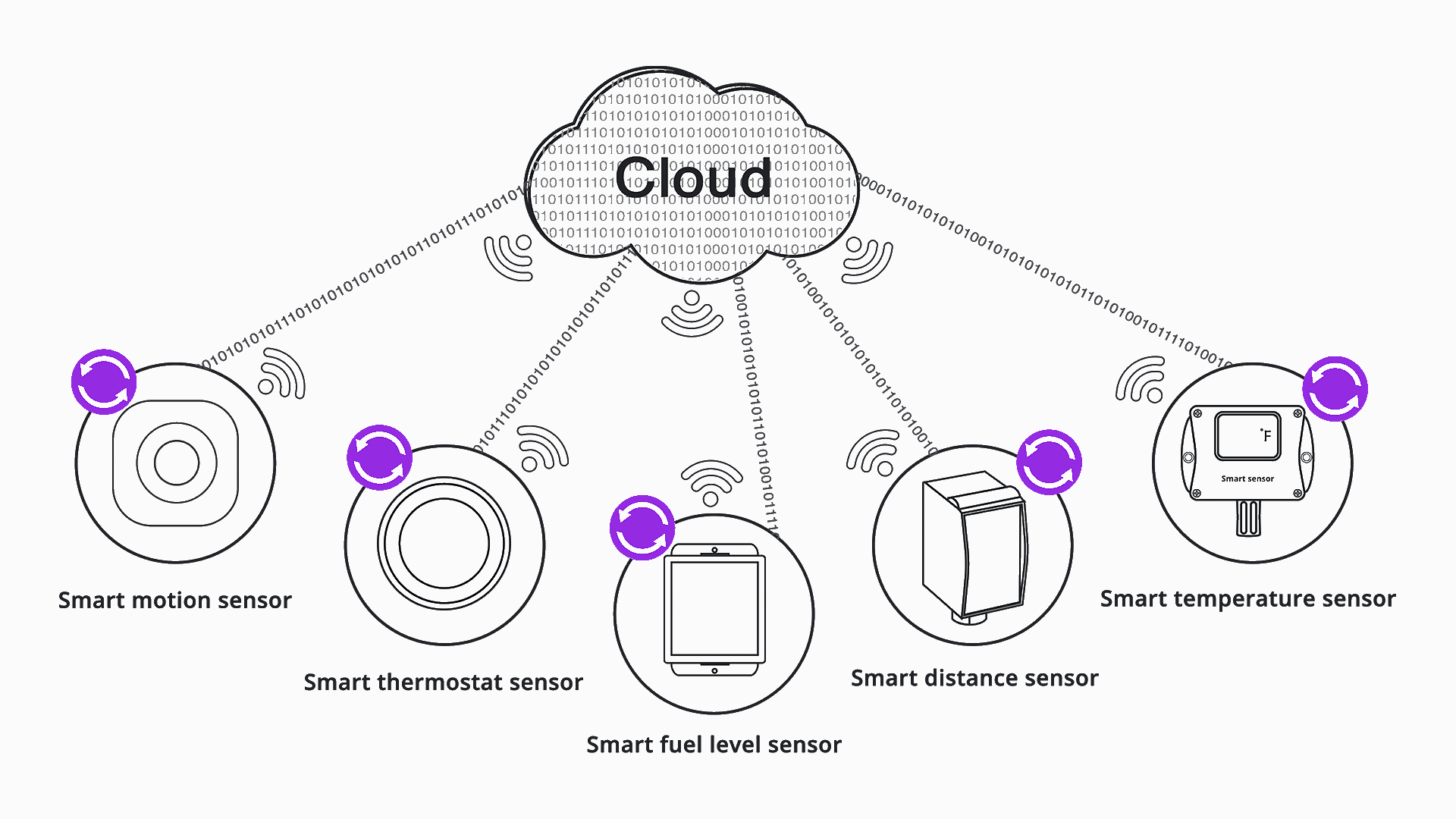
Industrial IoT (IIoT) has further expanded the role of sensors. Today’s smart sensors are networked, enabling remote monitoring and real-time analytics. They allow factories to fine-tune operations and ensure safer, more sustainable environments.
Conclusion & Outlook
As a vital part of electrical automation systems, sensors play a foundational role in enabling precise control, real-time monitoring, and operational efficiency. With the integration of 5G, IoT, and AI, sensors are evolving to become smarter, wireless, and predictive. Schneider Electric and other leaders in automation continue to innovate in this space, providing versatile sensor solutions for smart factories, energy-efficient buildings, and advanced industrial systems.
In the future, sensors will not only monitor—they will anticipate, analyze, and adapt, paving the way for a fully autonomous and intelligent industrial era.