


How to choose smart relays and PLC
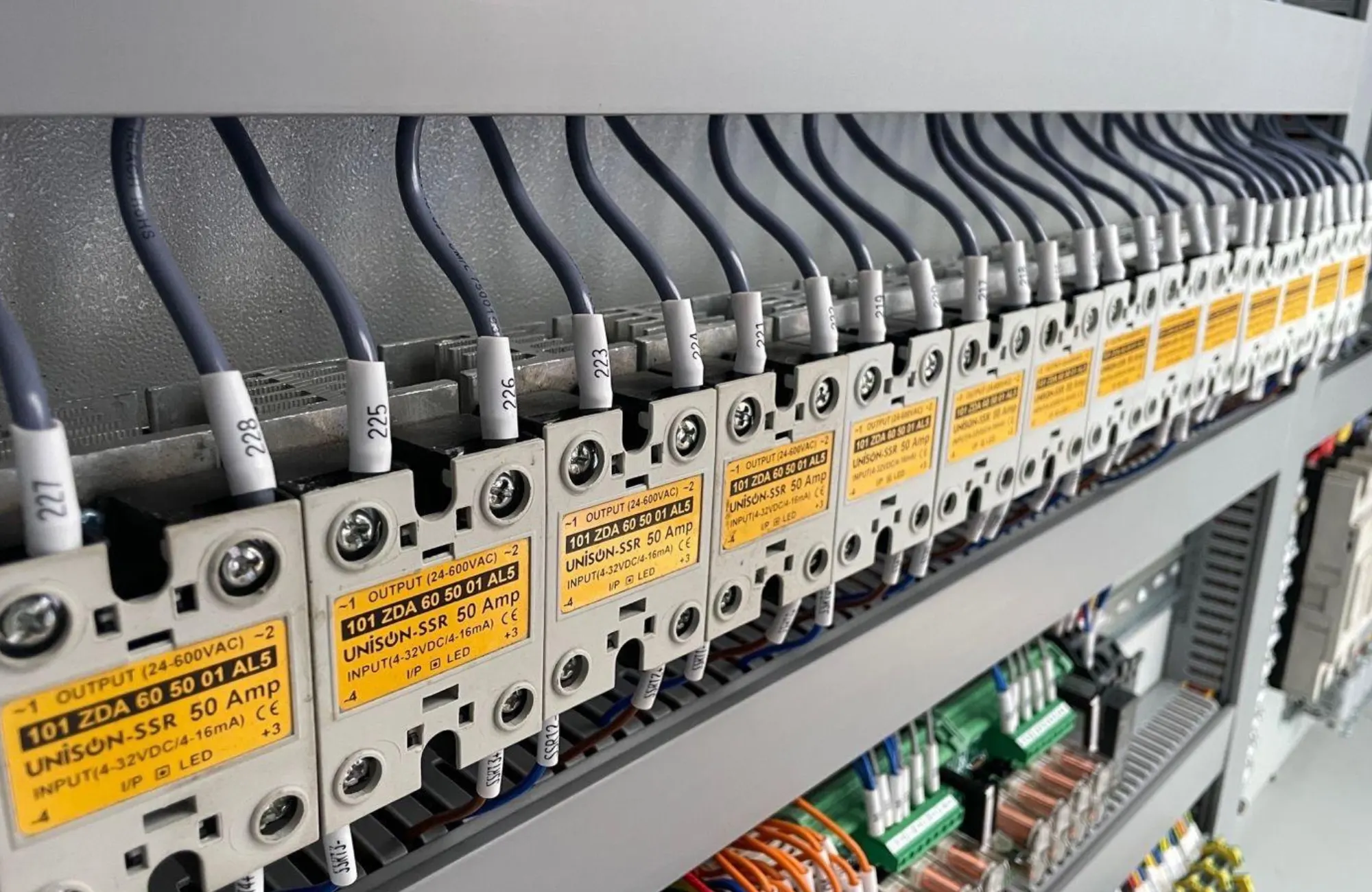
Choosing the appropriate control system is vital to ensuring the longevity and success of your automation initiatives. By making an informed decision, you can steer clear of expensive mistakes and eliminate the need for trial and error. Among the most prevalent choices are smart relays and Programmable Logic Controllers (PLCs). Continue reading to discover which option best suits your unique application needs.
Smart Relays vs. PLCs: A Basic Comparison
At their core, both smart relays and Programmable Logic Controllers (PLCs) serve to manage and oversee industrial processes. Despite their shared purpose, the technology driving them and the scope of tasks they can tackle differ significantly.
Smart Relays
Smart relays are compact devices that are directly installed onto electrical circuits. Often referred to as "mini-PLCs" or "logic relays," they offer wireless control over various connected devices, simple machines, and applications.
Designed to execute straightforward programs or schedules, smart relays are particularly suited for industrial settings where efficiency is paramount. Unlike more intricate control systems, they neither require nor accommodate sophisticated input, making them easier to implement. They represent a practical option for those looking to incorporate wireless control and basic PLC-like capabilities into their electrical systems.
Programmable Logic Controllers (PLCs)
PLCs are tailored for industrial automation and control. As their name suggests, these devices can be programmed to execute a wide range of tasks, from basic on/off controls to intricate process management.
PLCs feature a central processing unit (CPU), input/output (I/O) modules, and a power supply, enabling them to interface seamlessly with a variety of sensors, actuators, and other industrial equipment.
The key distinction between PLCs and smart relays lies in their superior programmability. PLCs can be readily adjusted and optimized to accommodate evolving processes or advanced control strategies. Need to integrate with other automation systems, such as Supervisory Control and Data Acquisition (SCADA) or Human-Machine Interfaces (HMIs)? PLCs can be quickly reprogrammed to meet your evolving needs.
Choosing Between Smart Relays and PLCs: Essential Questions to Consider
As you delve deeper into the realm of industrial automation, the distinctions between smart relays and PLCs become increasingly apparent. Here are two crucial factors to keep in mind:
Do I Require Adaptability and Power, or Size and Simplicity?
One of the primary differences between smart relays and PLCs lies in their adaptability. PLCs are engineered for versatility, allowing for straightforward reprogramming and reconfiguration. This makes them an ideal choice for environments where requirements frequently evolve.
Conversely, smart relays are generally less flexible but offer cost savings and predefined logic that dictates their functionality. Unlike PLCs, they don't necessitate extensive programming knowledge or specialized training.
Configuring and programming a PLC often necessitates a foundational understanding of ladder logic, function block diagrams, or other programming languages. This can pose a steeper learning curve for some organizations, particularly those with limited technical resources.
In summary, a PLC system is advisable for industrial processes that demand frequent changes, whereas a smart relay is well-suited for basic needs and budget-conscious projects.
When deciding between smart relays and PLCs, you need to consider whether you want basic controls or a highly-integrated system. PLCs (Programmable Logic Controllers) offer seamless integration with a wide range of devices and systems, including SCADA, HMIs, and enterprise-level software, allowing for streamlined and efficient automation processes with easy data sharing and analysis. They often come with advanced communication protocols, enabling them to connect and exchange information with other industrial devices and control systems.
Smart relays, however, have more limited integration capabilities and are often restricted to specific communication protocols, such as sending errors over Wi-Fi. While they can still be integrated with other systems, it's not at the same level of connectivity and data exchange as PLCs.
In summary, PLCs provide a higher level of integration and connectivity, making them suitable for industrial environments that require seamless automation processes and data sharing across multiple system components. Smart relays, on the other hand, may be sufficient for simpler automation tasks that don't require extensive integration. It's important to weigh the pros and cons based on your specific industrial environment to make the right choice between PLCs and smart relays.
Pros of Smart Relay Systems
- Compact Size: Smart relays are typically more compact, making them ideal for space-constrained environments. By incorporating smart relay logic instead of a PLC, you can maintain the scope of your tools more effectively.
- Ease of Use: Renowned for their straightforward design and simple operation, smart relays are appealing for tasks requiring basic control functions.
- Cost-Effective: Generally more affordable than PLC systems, smart relays offer a budget-friendly solution, particularly suitable for smaller industrial setups.
Cons of Smart Relay Systems
- Limited Functionality: Smart relays lack the advanced control features and programming capabilities required for sophisticated industrial applications, such as motion control and high-speed data acquisition.
- Reduced Flexibility: With predefined logic dictating their functionality, smart relays offer less flexibility compared to PLCs.
- Limited Integration: Smart relays do not integrate well with systems like SCADA or HMI, potentially reducing the efficiency of the automation process.
Pros of PLCs
- Enhanced Integration: PLCs are designed to integrate seamlessly with a variety of automation systems, facilitating efficient and streamlined processes through data exchange and centralized control.
- Advanced Diagnostics: Equipped with diagnostic tools, PLCs can quickly identify and troubleshoot issues, minimizing downtime and enhancing overall system performance.
- Centralized Management: PLC systems provide centralized control over multiple processes and devices, simplifying the management of intricate industrial automation systems.
Cons of PLCs
- Higher Cost: PLC systems generally come with a higher price tag compared to smart relay systems, which can be a deterring factor for smaller businesses or applications operating with limited budgets.
- Specialized Training Requirements: Programming and operating PLCs necessitate specialized knowledge and training, which might pose challenges for organizations lacking in-house technical expertise.
- Cybersecurity Risks: Due to their complexity and integration with various systems, PLCs may be more vulnerable to cyber threats, posing potential safety and security risks that require robust cybersecurity measures.
Don't Leave Your Industrial Automation Strategy to Chance: Discover the Optimal Solution with Wistex
At Wistex, we recognize that selecting between smart relays and PLCs is a pivotal decision that can profoundly influence the effectiveness of your industrial automation strategy. Before deciding on either option, consider the following key points:
Assess Your Automation Needs Thoroughly
The first crucial step in choosing the right control system is to comprehend your unique automation requirements. Smart relays are a practical solution for simpler, straightforward applications. On the other hand, PLC systems shine in more complex, dynamic, and interconnected environments. Evaluate the complexity of your processes and consider whether you need flexibility in programming or aim to integrate with other systems within your facility. Once you have a clear grasp of your automation needs, you can make a well-informed decision.
Common Applications for Smart Relay Systems
Motor Control: Smart relays are extensively utilized in industrial settings to control the operation of various motors, including pumps, fans, and compressors, providing reliable and efficient motor management.
Lighting Control: Smart relays are a favored option for controlling lighting systems in both industrial and commercial buildings. They offer straightforward and dependable control over lighting circuits, enhancing energy efficiency and operational convenience.
Process Control: In industrial ovens, furnaces, and other process control applications, smart relays play a crucial role in regulating temperature, pressure, and other critical process variables, ensuring precision and consistency in industrial processes.
Common Applications for PLC Systems
Intelligent Building Systems: PLC systems seamlessly integrate with advanced building management systems, facilitating efficient control and energy optimization of HVAC systems, lighting, climate controls, and other smart building solutions. This integration enhances overall building performance and sustainability.
Process Manufacturing: In industries such as chemical processing, oil/gas refining, and wastewater treatment, PLCs offer robust solutions for managing complex control and monitoring tasks. Their versatility and reliability make them ideal for handling the demands of these high-stakes environments.
Packaging: PLC systems are a preferred choice in packaging facilities due to their ability to effectively control and manage filling and sealing machines, conveyor systems, and labeling devices. This ensures smooth, efficient, and accurate packaging processes.
Plan for the Future, Avoid Common Pitfalls
When selecting a new automation system, many companies make the mistake of not considering the long-term implications. They become so focused on immediate needs that they overlook how their requirements might evolve over time.
When evaluating the benefits and drawbacks of smart relays and PLCs, it's essential to think beyond the present and consider the bigger picture. While smart relays may be easier to set up and start running, will they continue to meet your needs in the future? As your automation environment expands and changes, you may find yourself regretting a decision that seemed adequate at the time but ultimately fell short as your needs grew.
On the other hand, you don't want to overcomplicate things unnecessarily. If a smart relay can adequately handle all your current needs, there may be no reason to spend extra on a PLC.
Take a realistic look at your automation strategy and consider where you anticipate it heading in the future. A PLC might be the better choice if you foresee significant changes and growth. However, if your needs are likely to remain stable, a smart relay may suffice. The key is to find a balance between simplicity and scalability.
The Wistex Advantage
Don't leave your industrial automation strategy to chance! Whether you're seeking to upgrade an existing setup or design a new one from scratch, Wistex is ready to partner with you to make it happen. Start a conversation today. Together, we'll assess your building's requirements, identify a solution that maximizes your return on investment, and help you create a more reliable, future-proof automation solution.