


Association, Application, and Utilization of Switching Power Supplies, Contactors, Frequency Inverters, and Relays

The Association and Usage of Switching Power Supplies, Contactors, Frequency Inverters, and Relays
In modern power electronics systems, switching power supplies (SMPS), contactors, frequency inverters, and relays each play crucial roles, and their cooperative operation enables more flexible and efficient control of electrical equipment. This article will delve into the associations among these devices and their methods of use.
I. Device Overview
-
Switching Power Supply (SMPS)
A switching power supply is an efficient power conversion device that controls and stabilizes the output voltage by rapidly switching electronic components (such as transistors). Compared to traditional linear power supplies, switching power supplies offer higher efficiency and smaller size and weight. The core working principle of a switching power supply involves controlling the energy transfer of the power supply through rapid switching operations of electronic switching elements, thereby achieving voltage conversion and stabilization.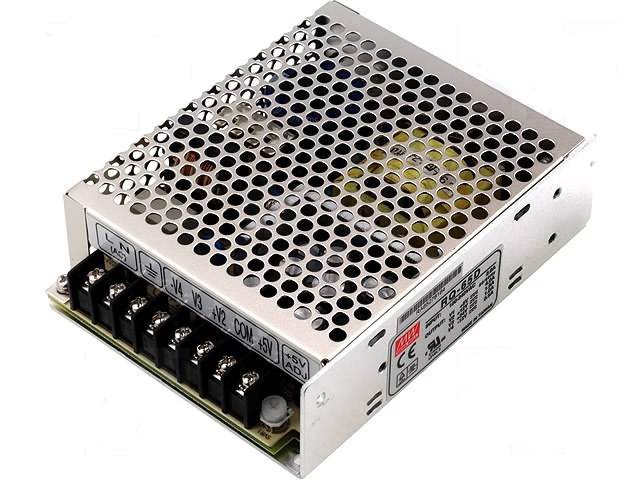
-
Contactor
A contactor is an automatic electromagnetic switch suitable for frequently connecting or disconnecting AC and DC circuits and large-capacity control circuits from a distance. It not only enables remote automatic operation and undervoltage release protection functions but also boasts high control capacity, reliability, operational efficiency, and long service life.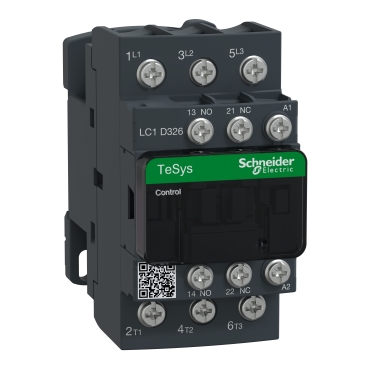
-
Frequency Inverter
A frequency inverter is a device that controls the operating speed of an electric motor by changing the power supply frequency, particularly suitable for applications requiring precise speed and torque regulation. The frequency inverter first converts AC to DC, and then uses an inverter circuit to convert DC back to AC with adjustable frequency, thereby driving the electric motor.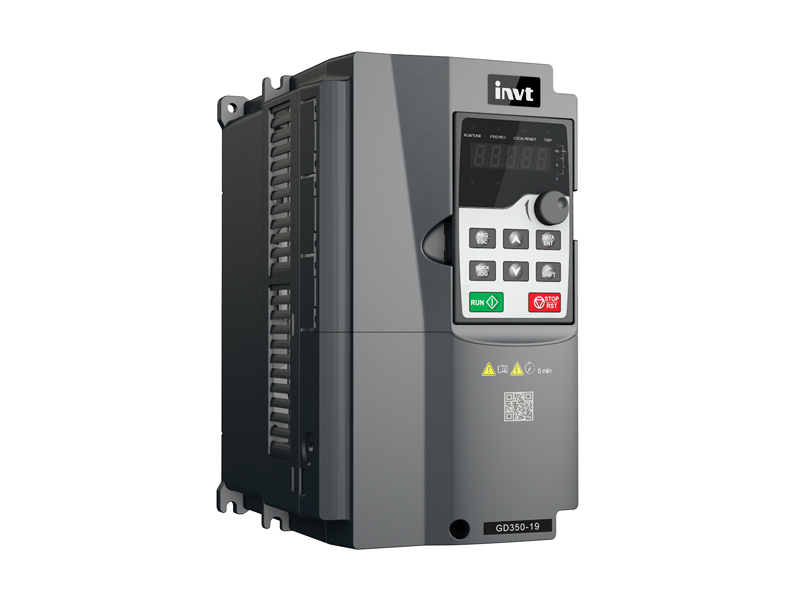
-
Relay
A relay is an electrical control device that causes a predetermined step change in the controlled quantity in the electrical output circuit when the change in the input quantity (stimulus) reaches specified requirements. It establishes an interactive relationship between the control system (input circuit) and the controlled system (output circuit).
II. Association Analysis
-
Switching Power Supply and Contactor
The switching power supply provides a stable DC power supply for the contactor, ensuring reliable engagement and release of the contactor. In electrical control systems, the switching power supply typically serves as the main power supply, providing stable electrical energy to the entire system. -
Contactor and Frequency Inverter
The contactor plays a role in connecting or disconnecting the power supply to the electric motor in frequency inverter control systems. When the frequency inverter needs to start or stop the electric motor, it controls the engagement and release of the contactor to achieve power supply connection or disconnection. Additionally, the contactor can protect the frequency inverter from faults such as motor overload. -
Frequency Inverter and Relay
Frequency inverters are often connected and controlled with other electrical devices through relays. For example, relays can control the opening and closing of related circuits during the start-up and shutdown processes of the frequency inverter. Furthermore, when the frequency inverter detects faults such as motor overload or overcurrent, it can issue alarm signals or cut off the power supply through relays. -
Integrated Application
In practical applications, switching power supplies, contactors, frequency inverters, and relays are often used in combination to form a complete electrical control system. For instance, in constant pressure water supply systems, PLCs can control frequency inverters to achieve variable-speed operation of pumps, while contactors and relays are used for power supply connection and disconnection, fault alarm functions, and more.
III. Methods of Use
-
Use of Switching Power Supply
- Select an appropriate switching power supply model and specification based on the needs of the electrical control system.
- Connect the switching power supply to the power grid and ensure its input voltage and current comply with specifications.
- Adjust the output voltage and current of the switching power supply as needed to meet the power supply requirements of electrical equipment.
-
Use of Contactor
- Choose a suitable contactor model and specification based on the needs of the electrical control system.
- Connect the contactor coil to the control circuit and ensure its operating voltage and current comply with specifications.
- Connect the contactor's main contacts and auxiliary contacts as needed to achieve circuit connection and disconnection.
-
Use of Frequency Inverter
- Select an appropriate frequency inverter model and specification based on the type of electric motor and load requirements.
- Connect the input end of the frequency inverter to the power grid and the output end to the electric motor.
- Set the parameters of the frequency inverter as needed, such as output frequency, start-up mode, and protection functions.
- Control the start, stop, and speed regulation of the frequency inverter through the operation panel or remote communication interface.
-
Use of Relay
- Choose a suitable relay model and specification based on the needs of the electrical control system.
- Connect the relay coil to the control circuit and ensure its operating voltage and current comply with specifications.
- Connect the relay's normally open contacts and normally closed contacts as needed to achieve circuit control.
IV. Precautions
- When using switching power supplies, pay attention to the stability and fluctuation of their input voltage and current to ensure the normal operation of electrical equipment.
- When using contactors, monitor the wear and erosion of their contacts, and replace worn contacts promptly.
- When using frequency inverters, pay attention to the fluctuation range of their output frequency and voltage, as well as the load condition of the electric motor, to avoid faults such as overload and overcurrent.
- When using relays, ensure the reliability and service life of their contacts, and replace failed relays in a timely manner.
In summary, switching power supplies, contactors, frequency inverters, and relays each play crucial roles in electrical control systems, and their cooperative operation enables more flexible and efficient control of electrical equipment. In practical applications, select appropriate device models and specifications based on the needs of the electrical control system, and operate and maintain them strictly according to the methods of use and precautions.